The pandemic continues to affect seafarers. Uncertainty, restrictions, and an intense alertness has become a part of everyday life. Get chief psychologist Søren Diederichsen’s advice on how shipping companies, ship management, and seafarers can support each other in this difficult period.
“
We experience that the crew manage the precautions for corona incredibly well - for example during crew change, but then we may have visitors during port stays, for example from PSC, who do not wear masks nor keep the social distance. It is frustrating.
” Captain on container ship For more than a year, the fear of Covid-19 has been a heavy weight on seafarers and their families, ship managements, and shipping companies, affecting life on board.
According to a report from Seafarers Happiness Index– which indicates the mental state of seafarers – the so-called happiness index has risen a tiny bit since the second quarter of 2020 when the coronavirus crisis started. But everyday life at sea as we knew it before the pandemicis far from back to normal.
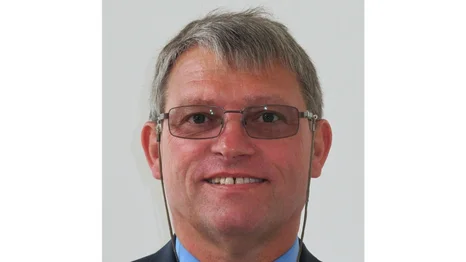
Chief psychologist at SEA HEALTH & WELFARE, Søren Diederichsen, who has been working with seafarers for more than 15 years, has been following the situation closely.
“Usually, the most important thing for seafarers is to know when they embark and when they sign off. It is a huge mental strain when they cannot have shore leave or know when they will be back home again. We were especially facing this problem at the beginning of the corona crisis. Being in such a state can be described as being trapped in a closed container; it can create frustrations and sadness. Partners and family at home also start to suffer and a tiredness about it all creeps in. To the seafarer, that is very frustrating to witness because there is nothing the seafarer can do to change the situation at home. That creates a lot of pressure.
It is important not to forget the staff working in the offices onshore. They have been struggling and they are still working non-stop. They must deal with insecurity and frustrations from the seafarers and at the same time keep on top of things and live up to a lot of new regulations that are constantly changing. They also have to deal with some very difficult emotional and ethical issues. These can be in relation to signing on and off the ship. Who can go home? Who will have to stay? They must deal with an incredible amount of daily problem solving, which can create a system that is constantly under pressure and becomes a heavy burden for the office staff."
“It is that seafarers, ship management and shipping companies are constantly on high alert. It can be described as a state of emergency. They are constantly dealing with uncertainty and insecurity. That can be in relation to signing on and signing off, port stays, possible infection onboard, and what about their families at home? Naturally, there are big differences in how you deal with the current situation. If you are young and without any obligations at home and have good health, then it might be easier to adjust to the situation. But if you have family at home, then it is veryeasy to feel like you are in the wrong place and just want to go home”.
“
Finally, I have the chance to sign off after 15 months at sea. But I’m considering staying on the ship. I’m not sure when I can sign on again. The situation is serious in the Philippines and I am the only one in the family with an income now.
” Steward on tanker “That depends on personality, how you feel that day and your personal circumstances. But if you are constantly in a high level of alertness, it will affect your body and mental health. That can lead to you becoming more easily irritated, more negative, and demotivated. Frictions between colleagues can appear, and frustrations aimed at the ship management or shipping company can show and be either justified or unjustified. For some, this constant stressful state of mind will cause them to disappear into themselves and stop communicating with their surroundings. Constantly being at a high level of alertness does absolutely nothing positive for our mental health”.
“
I myself was out for 7 months before I was replaced, but there are many from my crew who have been out for almost 1 year, not knowing when they can come home.
” Navigator on ship on deep sea routes “Do more of the things that usually works. It varies from ship to ship how good they are at creating a nice work- and social environment. Often, social life is driven by a few crew members who take the initiative and plan social activities. At this time, it is even more important that social activities are arranged. Make small sports competitions, play bingo, watch a movietogether and have a barbecue on deck. Being on a ship is the same as being a part of a family at home; if you are under pressure, you add a little extra and make sure to give each other more attention.
If some people change their behaviour from being sociable to being isolated, or from joking to being grumpy, then deal with it. It is also of extraordinary importance to be more tolerant with each other. When we are under pressure, we show sides of ourselves where we are less constructive. That is why it is important to be indulgent”.
“
When we ask customers to use a face mask, we are met with threatening and sometimes even violent behavior.
” Crew member on Danish domestic ferry routes “Right from the beginning, it has been possible to establish some very clear guidelines to eliminate the risk of the crew getting infected. As an example, some shipping companies have bought extra oxygen to keep onboard if the worst should happen and a crewmember gets seriously ill. Actions like that reassure the crew.
The management has a special obligation to keep track of all the crewmembers. They need to keep a high level of information and to articulate that we are in an extraordinary situation where it is of extraordinary importance to keep an eye on each other. "
"If the management succeed in being natural about showing empathy and care for the people they are managing, they will get through this in a good way. In a situation like this, the management and their skills are constantly being tested. As the ship’s management and shipowner, you should also respect that employees are very sensitive and likely to see the holes in the cheese instead of the whole cheese. And that happens because they are at ahigh level of alertness.
Because of that, the shipping companies must do their absolute best to reassure the crew that any time it is possible to do something better, they will do it. This can be in relation to quarantine at hotels, where it is very important that the seafarers don’t get mentally stressed because they have to stay isolated in a hotel room on the 7th floor. And make sure to thank the seafarers’ partners and families at home – it all adds up”.
“We offer our special Helpline for seafarers to use if you feel like it’s all too much. For management, you can get in touch and get our support to figure out how to deal with the situation. We can also help you getting started using our Mental Health Toolbox, which gives you very specific tools to help you spot a crew member that is not mentally thriving.
We can help to map and develop action plans on how to respond as a shipping company – as employer - in this very special situation. We can also help make sure that the employees are thriving, that the level of customer-related conflicts, for instance, in ferry services, is not rising because both employees and customers are more stressed.
It is possible to work on many different levels to make sure that the corona crisis does not pressure or stress the different types of work relations. We are in the middle of a very extraordinary situation that gives us extraordinary challenges. And it is very important that management, crew and every seafarer is prepared in the best possible way to navigate safely through this and counter the situation”.