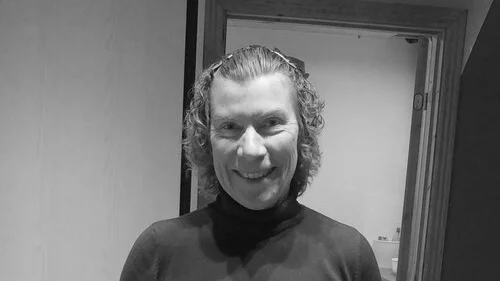
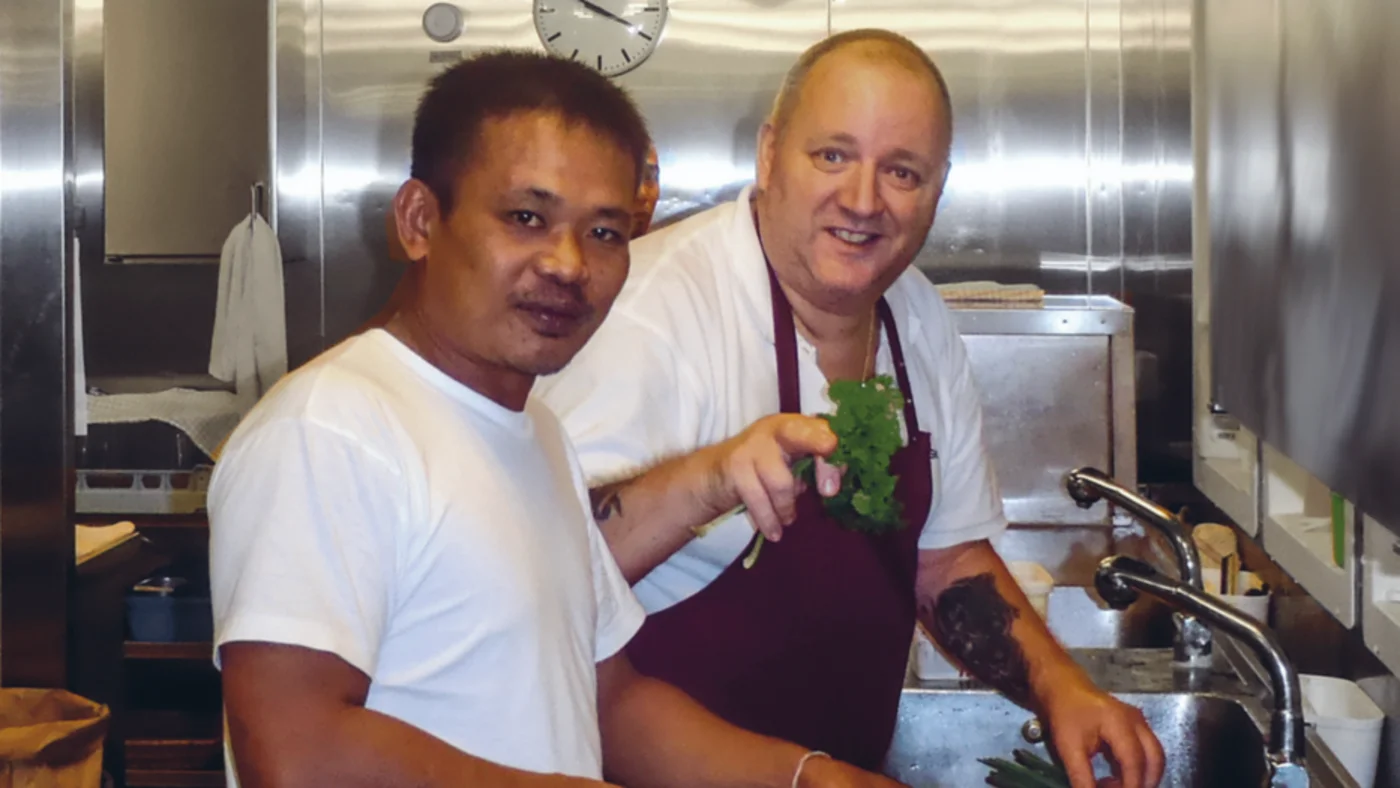
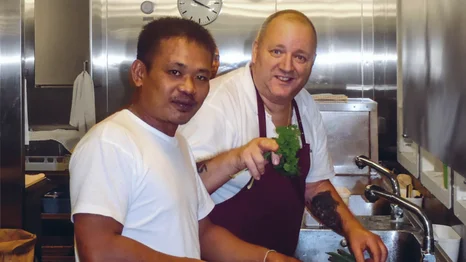
Hanne Hein has many years of experience in serving meals at sea that are both filling and challenge the food traditions on board, as well as nourish body and soul.
Work life at sea can be both physically and mentally challenging. Because of this, 56-year-old chef Hanne Hein is on an important food mission. She wants to serve food made from scratch that makes hungry seafarers full while contributing to mental and physical well-being onboard.
“I want to make good food that makes sense, understood as food that fills you up, stimulate your taste buds, and make you happy. If you can remember a meal, it is a really good sign. Mental wellbeing and health are also related to the atmosphere around the table. When you leave the dinner table both full and happy, then my mission is completed,” Hanne says.
The very first ship Hanne worked on as a steward was a MÆRSK vessel when she was only 17 years old. Since then, new food habits as well as food inspiration have emerged. One thing that has not changed in all the years Hanne has been in the game is the great role that food plays onboard.
“Food and the meals mean a lot, especially when you are sailing on a long voyage. The seafarers are far away from home and sometimes dinnertime becomes a shared focus. Something to talk about and to look forward to; the highlight of the day that they start thinking about when they eat breakfast”.
The experienced chef is educated as a process technologist specializing in food and holds a bachelor’s degree in health and nutrition. With that background and great experience as a chef at sea, at cafés and restaurants, and now working on VESTKYSTEN a fisheries patrol vessel, she makes sure to both challenge andinvolve the crew of nine men in the choice of food.
“Some ships have a dietary committee, while on other ships it is only the chef who decides the menu. At the end of every voyage, I talk to every single crew member and ask them what they would like to eat on our next trip," Hanne explains.
Involving the crew is not the same as giving them the power to decide exactly what they want on the menu, however;
“If they want french fries too many times on the same trip, then it is a no. I will always make sure that I serve pork, lamb, poultry, fish and vegetarian meals during the 12-14 days we are at sea. I also challenge the crew members about not having boiled potatoes and gravy with everything. We are nine different people that each brings our food habits with us. I make sure that there is something for everybody. At the same time, it is a very challenging job being at sea on a protection vessel. A good physical condition is important so it matters what you eat. We make space for butter on a freshly baked roll, but it does not have to be every day”.
Since Hanne began her work life at sea, there have been major changes in our approach to food and towards a greater focus on what is healthy to eat. Over the years, Hanne has learned that one of the most effective weapons in changing seafarer’s food habits is to serve plenty of information along with new types of food. Hanne has a great knowledge about nutrition, minerals, vitamins, and fat percentage. Often, she brings this solid knowledge into the discussion when e.g. discussing vitamins and fibres in fruits and vegetables and whether meat is an everyday life necessity.
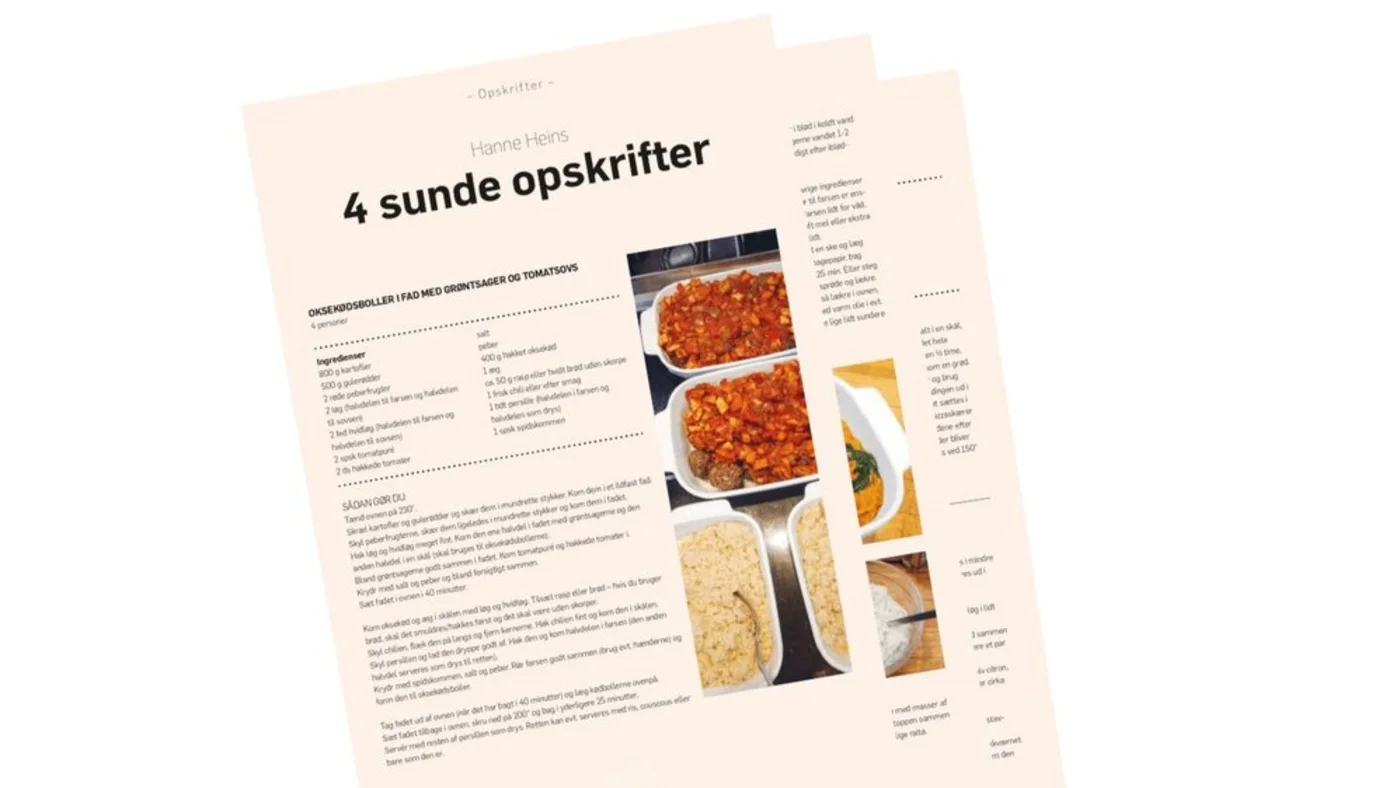
“I want to challenge their food habits and ideas about food. To do that, I give them facts and information. I often make them a poster that makes it clear how many vitamins and minerals we get by eating vegetables. I give them solid facts that I get from scientific reports – they cannot argue with that. Bringing in facts are useful to support this. It is always very interesting when we have these discussions; they give us the opportunity to learn something new”.
When Hanne serves carrots cut into bite-sized pieces with the morning coffee break, or makes sure there’s home-baked crispbread for the night watch to chew on, or serves oven-baked root vegetables instead of boiled ones, it is all about nudging the crew’s food habits. She is serving a healthy alternative to sweets or deep-fried potatoes.
“Gradually, I present them with healthy alternatives. I sometimes serve meat balls in a sauce made of blended vegetables. Nobody can taste that I added grated potatoes when I serve meatballs or burgers. I make sure to find the right balance. It is important that the crew feelthey are getting served something meaty. I am always aware of where I can sneak something in, and where they need to know it is something completely new”.
When Hanne served insects, she did not want to sneak it in as a hidden ingredient in a dish. And the first time she served food made with chickpeas like falafel and the Indian dish dhal, it was clear that this was something completely new they had to get used to.
“If your taste buds are stimulated then you won’t miss the meat at all. When I am serving wok-dishes, I always put in much more vegetables than meat. I am constantly trying to serve vegetables in new ways. Often, the crew gets very surprised that they can fill up on peas, beans, and lentils. That is possible because those ingredients give a lot of substance and at the same time well-spiced food satisfies our taste buds”.
By nudging you give people a friendly push in a new direction. To nudge is to affect people’s actions and decisions.
1. Stimulate the taste buds. If you are served well-made food with beans or lentils in, or meatballs or meatloaf with grated vegetables in, nobody will miss the taste of meat if the food tickles and stimulates the taste buds.
2. Bake vegetables in the oven instead of boiling them. This gives them much more bite and taste. The result is crispy and delicious.
3. Swap the iceberg salad with red cabbage or pointed cabbage. It is much more filling and has much more nutrition and taste. Cabbage also keeps better. Massage some salt into some green cabbage and use it for a salad. The result is very tasty.
4. Make eating greens easy! Serve bitesized vegetables as snacks.
5. Serve the food on a plate for each crew member. Do it every so often, when you make suitable food. It always excites the crew. Serve one piece of meat and fi ll up the rest of the plate with plenty of greens. Remember that we (also) eat with our eyes.