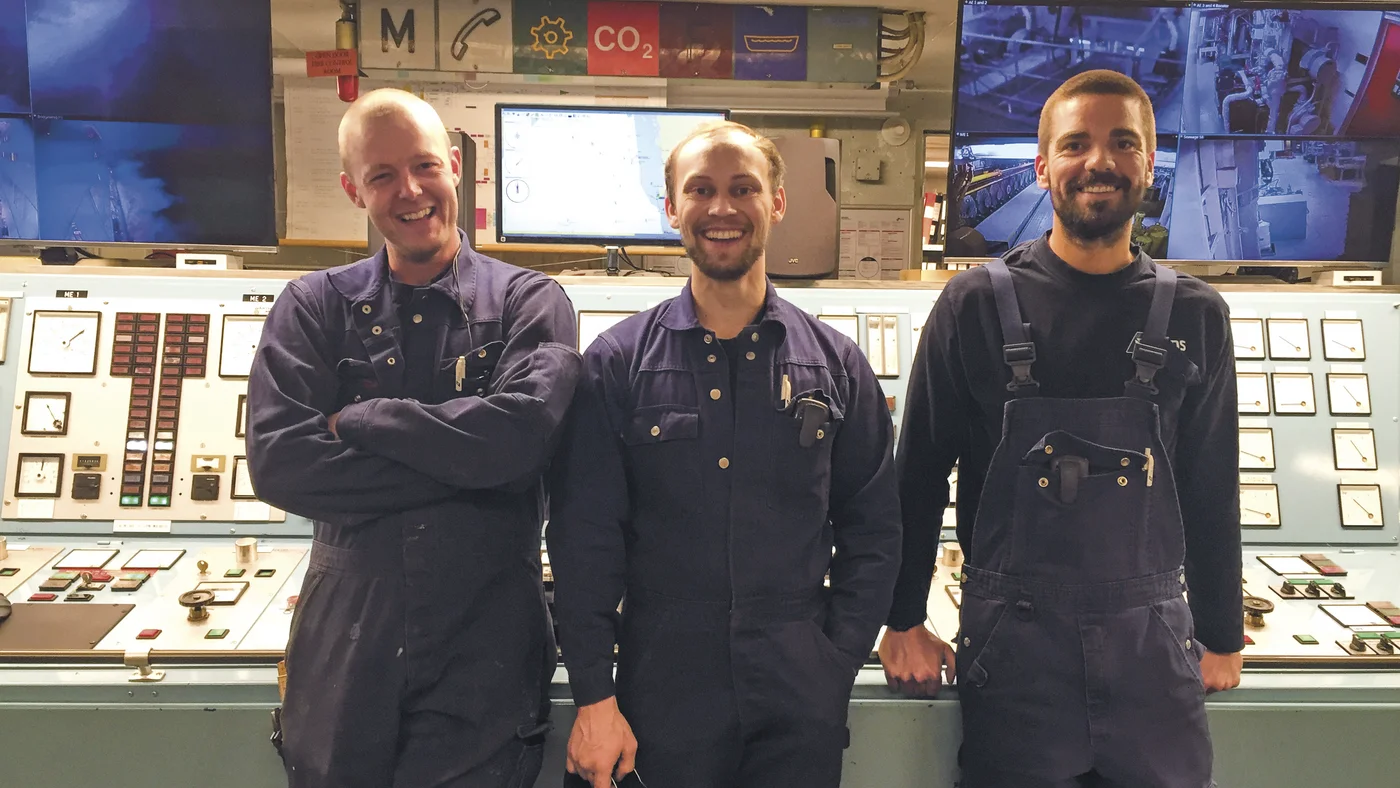
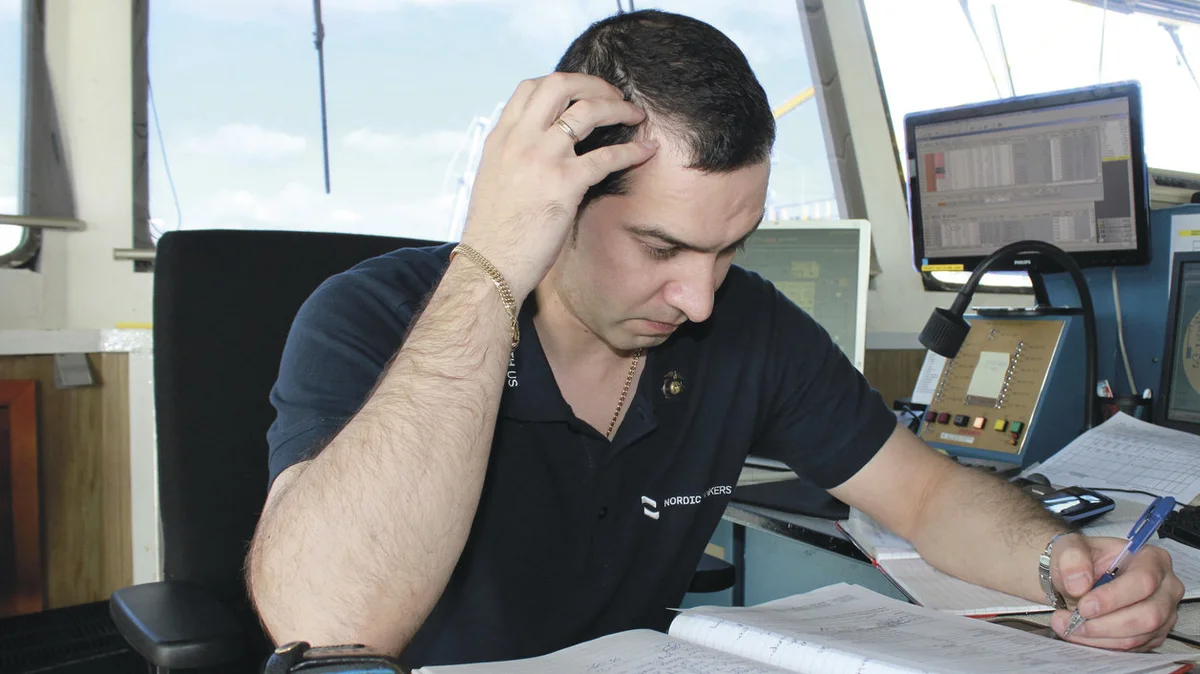
You cannot sleep and sail at the same time. Seafarer sleep loss has caused everything from groundings to work-related accidents, putting the issue in sharp focus in recent years. A recently completed project – code-named Martha – sheds more light on the dangerous phenomenon.
An international group of scientists, including researches from Center for Maritime Health and Society at the Danish university Syddansk Universitet, has spent the past three years investigating seafarer fatigue. Nearly 1.000 seafarers from both European and Chinese ships completed surveys on their quality of sleep, tiredness and stress at work. The responses indicate that no one on board gets the sleep they need to function optimally. This, despite the fact that international rules of rest require that seafarers get 10 hours of sleep and rest spread out over 24 hours.
The replies from the seafarers reveal a correlation between rank and risk of being exposed to fatigue. The type of work being performed also affects which respondents are most at risk of being exposed to fatigue. Generally speaking, officers are most frequently tired while working, they sleep more poorly and experience a higher level of stress than the ratings. The captain is at particular risk for fatigue because their work when at harbour is especially demanding and mentally exhausting. The watch keeper is also at heightened risk of fatigue, and mates, working at night, sleep less than the rest of the crew, too.
These findings do not mean that all seafarers suffer from fatigue. Yet, research indicates that, the longer time spent at sea, the bigger risk of being fatigued. In one survey, among 110 seafarers of all ranks, approximately six out of ten is more likely to be fatigued towards the end of their trip than in the beginning. Almost all captains experienced more fatigue towards the end of the trip. When asked what they believe causes their fatigue and tiredness, seafarers pointed to demands of the job, quality of sleep, shifting work hours, and rest. Seafarers also pointed to the concrete factors, including increased level of bureaucracy, work in the harbour, and the condition of the ship as reasons contributing to fatigue.
Issues of seafarer fatigue are being treated with great importance at SEAHEALTH. There is good reason, says Vivek Menon, interim head of department. “In the long term, fatigue has a negative impact on the health of seafarers. On top of this, fatigue can have urgent and severe consequences - both for the seafarer, for the entire business and the marine environment, too” he says.
The research project, MARTHA, shows the many potential consequences of seafarer fatigue: poor performance, work injuries, sick leave, bad health, and in the worst case scenarios leading to injury or death on board the ship. Not only does fatigue lead to a feeling of being tired, it has psychological consequences as well. Seafarers become distressed, irritable, unhappy, and confrontational. Furthermore, research shows that people suffering from fatigue can develop lasting health issues, such as sleeplessness, cancer, multiple sclerosis, and depression.
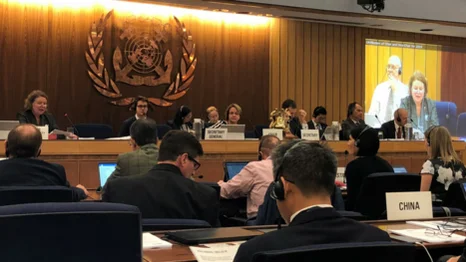
According to Vivek Menon, fatigue amongst seafarers may have grave consequences for the companies as well as for seafarers themselves. Accidents caused by fatigue among the crew are costly and negatively impact a company’s reputation within the industry. Shipping companies have good reason to deal with the issue and take steps to prevent employee fatigue. “Some shipping companies have hired specific employees to help this issue. Others make sure to have extra staff on hand to accommodate the needs of the seafarers when they are in harbour. That is common in large ports like Rotterdam and Panama,” says Menon. On a political level new steps are being taken to update training and instruction to address fatigue. The IMO guidelines on fatigue currently being revised addresses shipping companies, flag states, and port states, and other stakeholders in the maritime industry.
According to researchers specializing in fatigue, the condition can be defined as ”a progressively increasing loss of mental and physic alertness that may result in sleep.” Unlike being tired, fatigue may not necessarily disappear if the affected person catches up on sleep.
Fatigue can affect anyone, regardless of profession or cultural background. Fatigue can be a symptom of various diseases, but can also be triggered by work.
Physical fatigue is marked by weakness and a loss of stamina. Mental fatigue occurs as a result of stress and emotional exhaustion. It can also be triggered by a heavy workload and long work days. Shifting work hours can as well contribute to fatigue by disturbing sleep rhythm, which reduces the quality and amount of sleep.
Source: Maritime Psychology